Architecture & heritage
Forts, palaces, stepwells, historic districts, archaeological sites and places of worship across eras.
 Plan a cultural journey ↗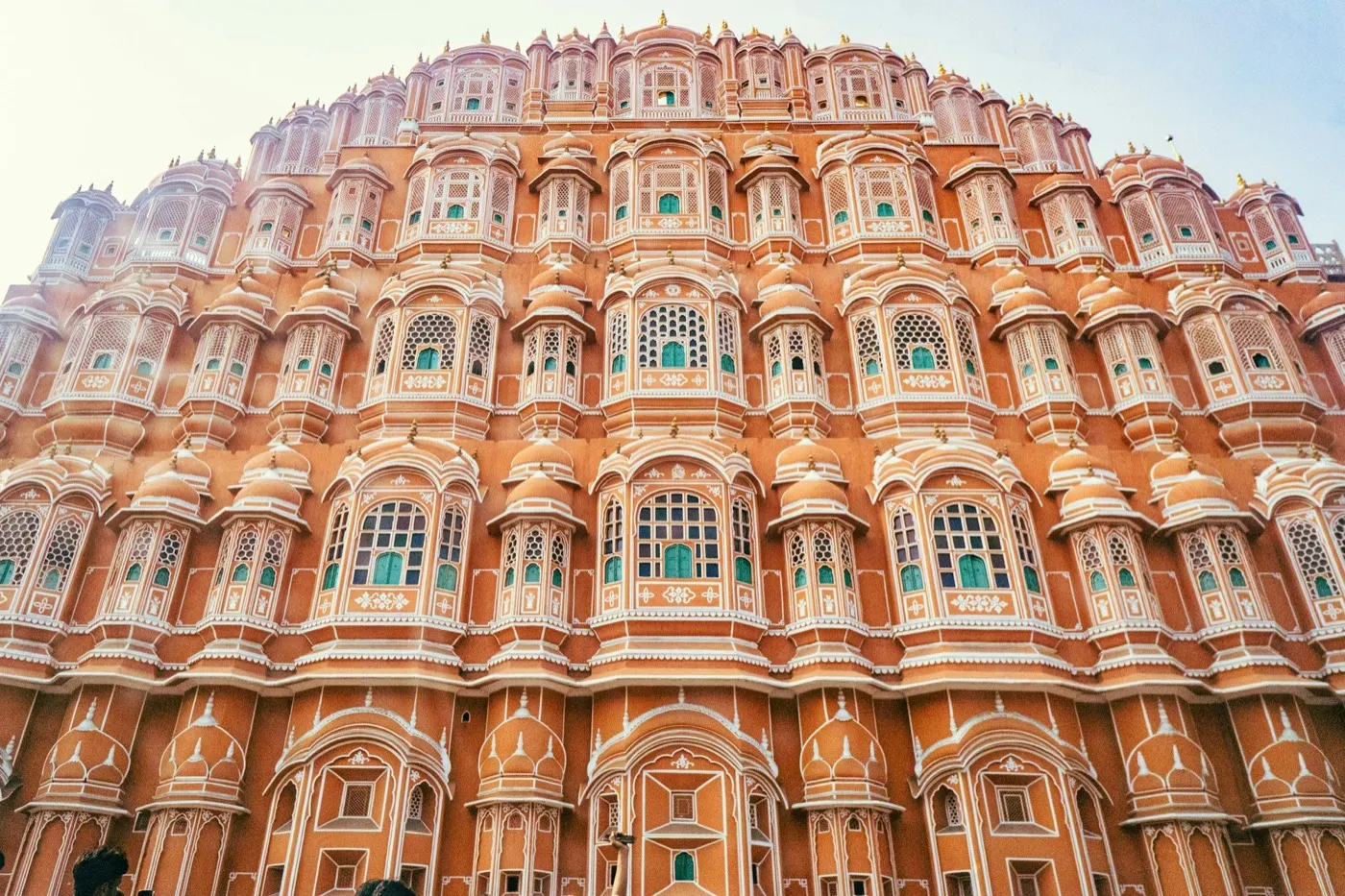
India, told through its people and places
Discover architecture, art, food, festivals, crafts and living traditions through journeys that connect landmarks with the people and stories behind them.
Cultural travel becomes meaningful when a monument is more than a photo, a meal carries its regional history and an art form is understood through the people who sustain it.
SeeMyTrip curates cultural journeys for individuals, families, schools, special-interest groups and international visitors. We combine heritage sites with museums, neighbourhoods, performances, workshops, cuisine and informed local guidance—then balance the experience with suitable transport, stays and time to absorb each destination.
Every itinerary can focus on one interest or combine several themes according to the destination, season and traveller profile.
Forts, palaces, stepwells, historic districts, archaeological sites and places of worship across eras.
Art, objects, archives and specialist museums that bring regional and national histories into focus.
Textiles, pottery, metalwork, painting, carving and other traditions experienced through responsible workshops.
Regional kitchens, markets, heritage recipes, cooking sessions and the stories behind everyday food.
Classical and folk forms, contemporary stages and performances understood in their cultural setting.
Seasonal celebrations and community traditions approached with permission, sensitivity and local context.
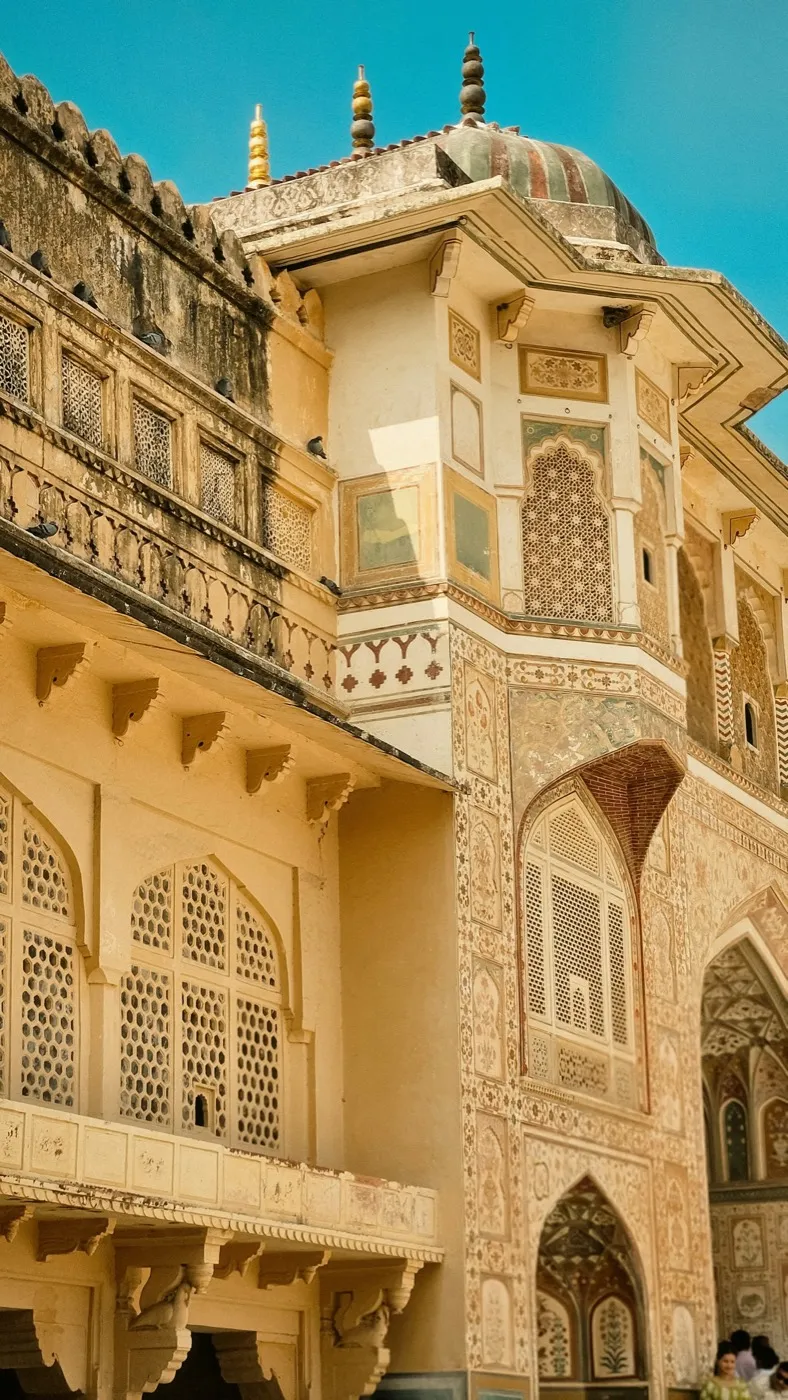
Read cities through their forts, palaces, sacred buildings, civic spaces and layers of architectural influence.
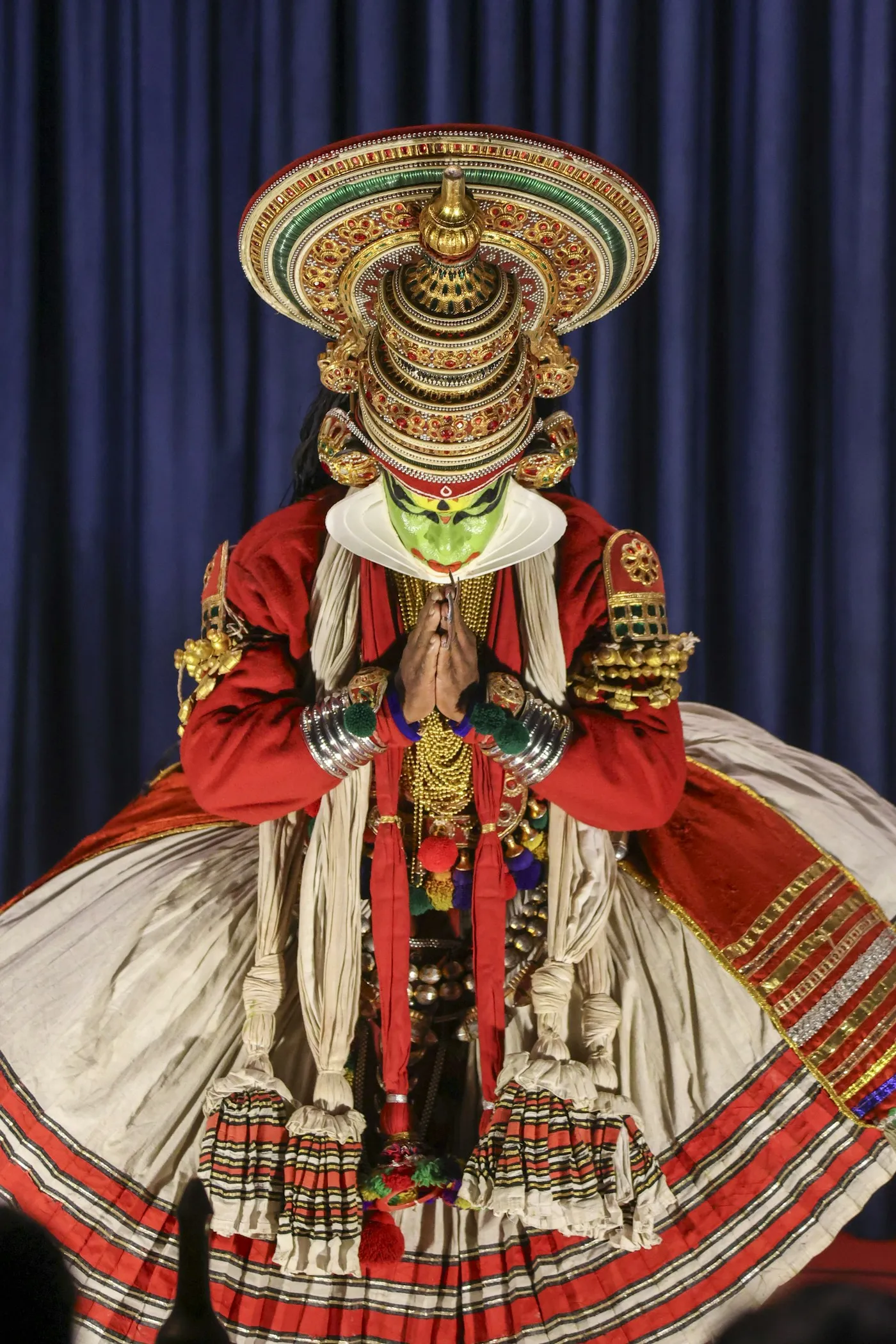
Understand the gesture, costume, music, narrative and training behind India’s classical and folk performance forms.
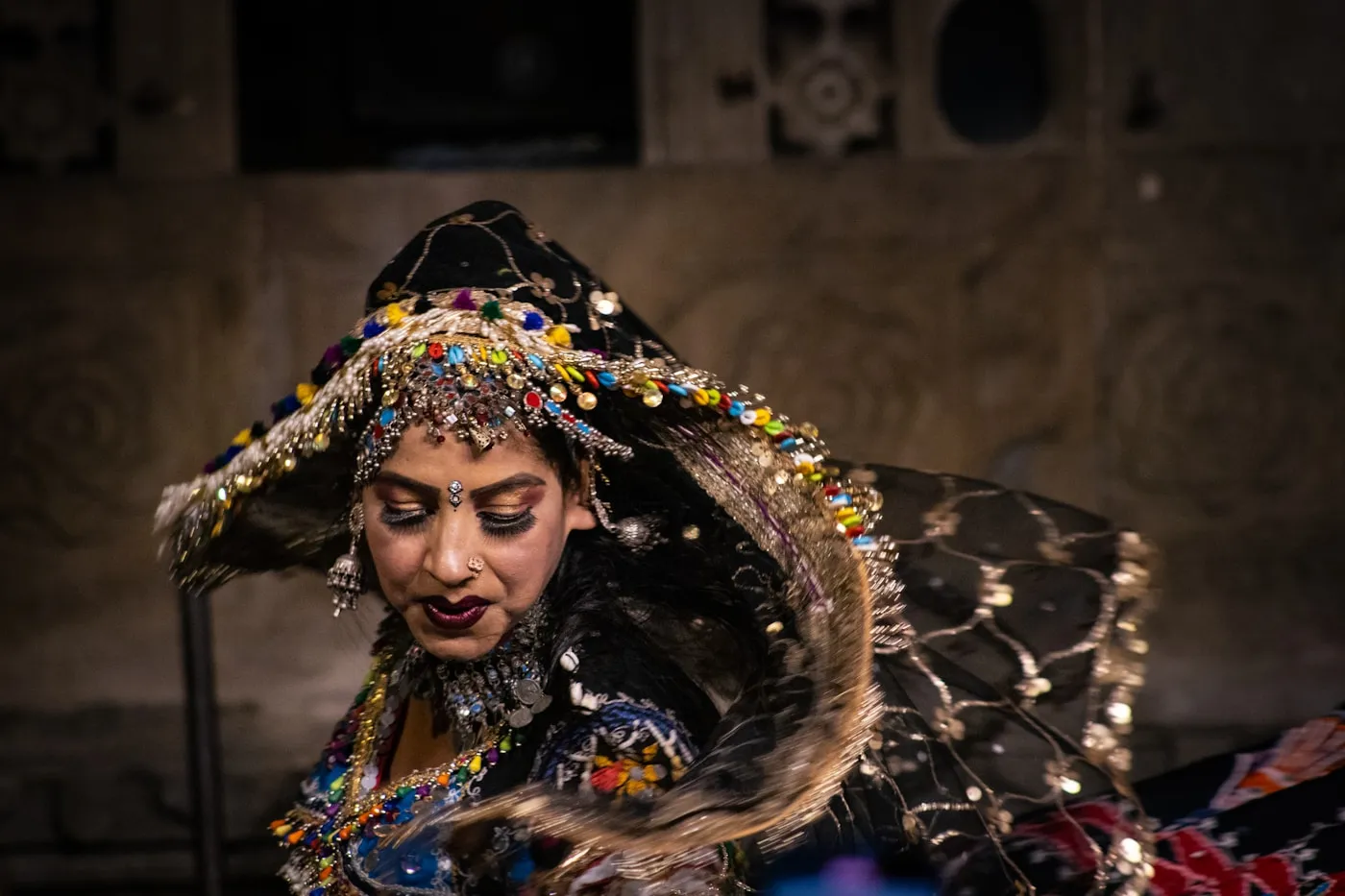
Meet culture where it continues—in neighbourhoods, festivals, workshops, kitchens and shared public life.
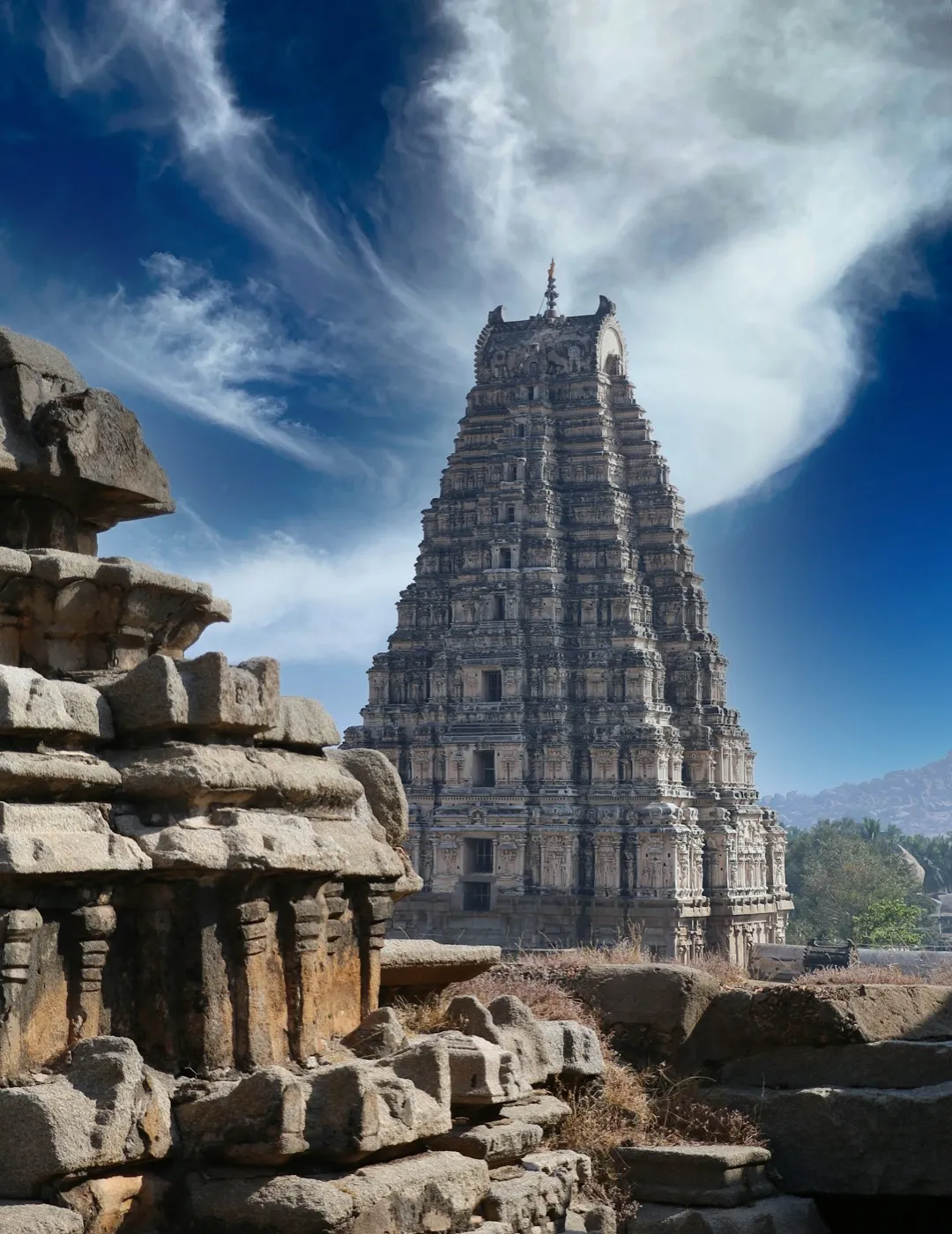
Explore landscapes where ruins, inscriptions, oral histories and museums reconstruct earlier worlds.
Routes can be shortened, extended or combined. Access, events and experiences remain subject to season and current local availability.
Jaipur, Jodhpur, Udaipur, Jaisalmer, rural craft centres, palace architecture and folk performance.
Hampi, Mysuru, Thanjavur, Madurai, Mahabalipuram, Kochi and regional music, dance and cuisine.
Delhi, Agra, Lucknow, Varanasi, Sarnath, Patna and stories shaped by courts, faith, language and food.
Mumbai, Ahmedabad, Kutch, Goa and communities connected through trade, textiles, architecture and the sea.
Kolkata, Odisha, Assam and selected regional journeys shaped around museums, festivals, crafts and community traditions.
A thoughtful cultural itinerary balances essential landmarks with time for neighbourhoods, performances and the unexpected details that make a place memorable.
Architecture, photography, food, textiles, literature or performance can shape the route.
Local or specialist guides add historical context, interpretation and navigation where available.
Museum hours, workshops, performances and market days are considered in the daily flow.
Transport and accommodation are coordinated around location, pace, comfort and budget.
Engaging stories, hands-on experiences and a pace suited to different ages.
Age-appropriate educational visits aligned with learning themes and group logistics.
Clear cultural orientation, language support and balanced introductions to India’s diversity.
Focused journeys for architects, artists, photographers, writers, collectors and culinary travellers.
Literature festivals, art fairs, dance and music seasons, craft gatherings, harvest celebrations and major public festivals can anchor a cultural itinerary. Dates, venues, ticketing and programme access may change.
Festival travel often requires earlier booking, flexible movement and realistic expectations around crowds. Some ceremonies are community or faith observances rather than performances for visitors and must be approached accordingly.
Discuss a festival journey ↗A strong cultural itinerary is built around interests, not a checklist of monuments.
Share destinations, themes, dates, group profile, preferred pace and budget.
We connect landmarks, neighbourhoods, experiences and suitable travel logistics.
Review guides, tickets, workshops, performances, transport, stays and exclusions.
Keep the itinerary flexible enough for local discovery and current conditions.
Responsible cultural travel values consent, accurate interpretation and fair local participation.
Seek permission before photographing people, private spaces, ceremonies, artworks or workshops.
Choose genuine work from responsible sellers, understand materials and respect restricted antiquities.
Avoid stereotypes and recognise that communities may hold different views of their own histories.
Follow site rules, do not touch fragile surfaces, avoid litter and never remove objects or fragments.
Opening hours, performance schedules, workshop participation, guide availability, photography rules and festival programmes can change. Restoration, weather, community events or official restrictions may affect access.
Only experiences expressly listed in the confirmed itinerary are included. Private access, artist meetings and demonstrations depend on consent and availability and should never be assumed.
Read terms & conditions ↗Yes. A private journey can be built around architecture, art, food, photography, craft, literature, performance or a combination of interests.
Only tickets specifically stated in the confirmed itinerary are included. Entry charges, visitor categories and booking rules vary by site.
Workshops or demonstrations can be requested where responsible partners and suitable timing are available. The format, duration and participation level vary.
Language-specific guides can be requested, but availability depends on the destination, dates and specialisation required.
Yes. The itinerary can be adapted around learning goals, age group, supervision, safety, transport and institutional requirements.
That depends on depth and distance. Fewer destinations with more time often create a richer experience than moving rapidly through a long checklist.
See more than the surface